
why organic farming
Instead of using chemical pesticides and synthetic fertilizers used in conventional agriculture, we use ecologically based pest controls and biological fertilizers derived largely from animal and plant wastes, and nitrogen-fixing cover crop.
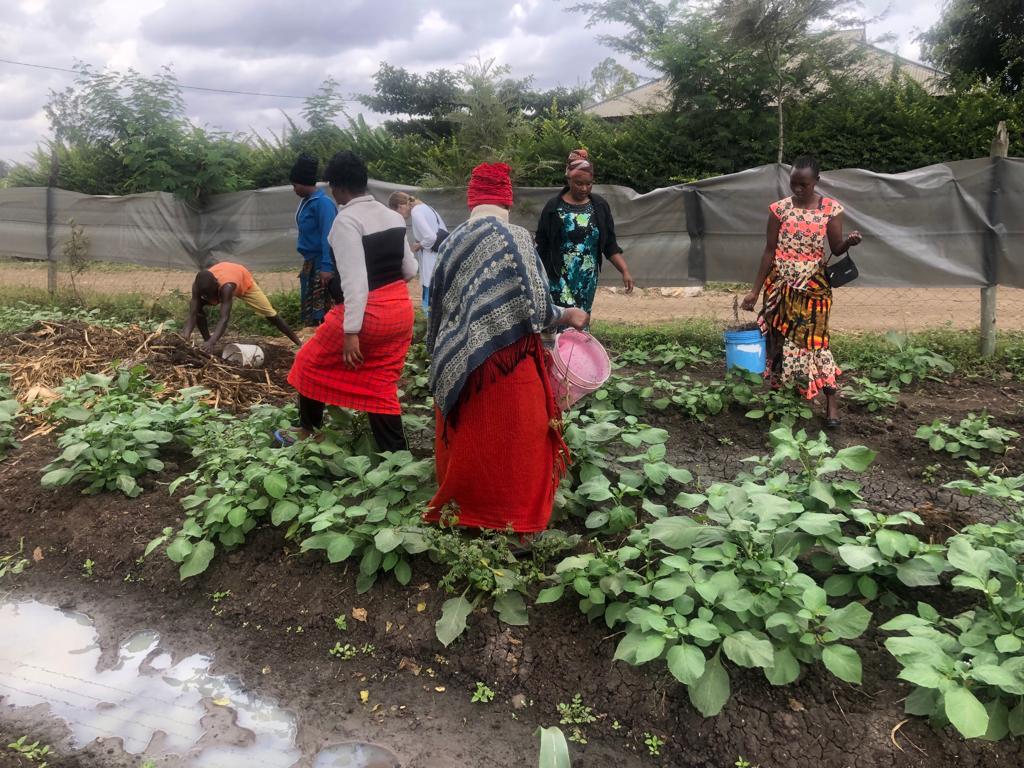
Project strategies
Supportive Community Network
We create a network for farmers to share experiences, resources, and support each other
Comprehensive Agricultural Training
We provide farmers with the knowledge and skills needed for successful organic farming practices.
Sustainable Farming Techniques
We implement eco-friendly methods to ensure long-term soil health and productivity.
Building a Prosperous Future
We empower communities to achieve food security and sustainable development through organic farming.
Income Generation Strategies:
We develop marketing plans and sales channels to maximize farmers' profits from organic produce.
Research and Innovation:
We encourage continuous learning and adoption of new technologies to improve farming efficiency and productivity.
HOW WE HELP
We educate and train the farmers as well as house wives how to use proper, environmentally friendly techniques not only for large-scale farming, but also for small-scale, home-based farming as well. After using what they have grown for their own consumption, they now sell any surplus as a means of getting supplementary income We offer comprehensive training programs that cover a wide range of agricultural practices. Our courses are designed to empower women by providing them with the tools they need to create thriving home gardens. These gardens not only ensure a continuous source of fresh, nutritious produce but also serve as an avenue for income generation for their families.
project achivement
Our Organic Vegetable Farming Project has successfully trained numerous farmers and housewives in environmentally friendly farming techniques. By implementing eco-friendly methods, we have improved soil health and crop yields. Participants have been able to sell surplus produce, providing supplementary income for their families. This initiative has empowered women and communities to create thriving home gardens and sustainable livelihoods, increasing access to fresh, nutritious produce and contributing to overall food security.